
Title: Unveiling the Dynamics of Group Formation: Exploring Key Theories
Introduction:
Groups are an integral part of human social interactions, ranging from small teams to large organizations. The process of group formation and its underlying dynamics have fascinated researchers for decades. Understanding the theories that explain how groups come together, function, and evolve can provide valuable insights into effective teamwork, collaboration, and group dynamics. In this blog post, we will explore some prominent theories of group formation and shed light on their significance in understanding the complexities of group behavior.
1. Social Exchange Theory: The Power of Reciprocity
Social Exchange Theory posits that individuals engage in group formation based on the principle of reciprocal relationships. According to this theory, people are motivated to join and participate in groups when they perceive the benefits of membership to outweigh the costs. The theory emphasizes the importance of mutual exchange, where individuals seek social support, shared resources, and a sense of belonging in exchange for their contributions to the group.
2. Social Identity Theory: Uniting through Shared Identity
Social Identity Theory suggests that group formation is influenced by individuals’ need for a positive social identity. It emphasizes that people strive to achieve a positive self-concept by identifying with groups that enhance their self-esteem and social status. Shared values, beliefs, and goals create a sense of belonging and solidarity within the group, fostering cohesion and cooperation.
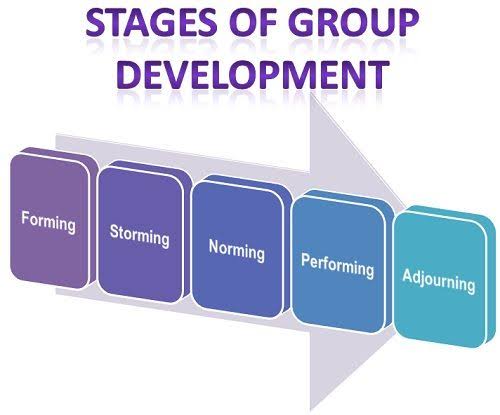
3. Tuckman’s Stages of Group Development: From Forming to Performing
Tuckman’s Stages of Group Development model highlights the natural progression of groups through four stages: forming, storming, norming, and performing. Initially, group members come together and establish relationships (forming). As they begin to assert their individuality and encounter conflicts (storming), they move towards establishing norms, roles, and shared values (norming). Finally, the group reaches a stage of high performance and productivity (performing).
4. Systems Theory: The Interplay of Individual and Group Dynamics
Systems Theory views groups as complex systems with interconnected components. It emphasizes that group formation and functioning are influenced by the interactions and interdependencies between individuals, group norms, communication patterns, and external factors. This theory underscores the importance of understanding the dynamic relationships within groups and the impact of the broader social context on their development and effectiveness.
Conclusion:
Theories of group formation provide valuable insights into the dynamics of human interactions, teamwork, and collaboration. From the principles of reciprocity and social identity to the stages of group development and the interplay of individual and group dynamics, these theories help us understand why people form groups, how they evolve, and the factors that contribute to their success or failure. By grasping these theories, we can better navigate the complexities of group behavior, foster effective teamwork, and create environments that promote positive group dynamics and achievement. Ultimately, a deeper understanding of group formation theories empowers us to harness the collective potential of groups and unlock the benefits of collaborative efforts.

 NTA NET EXAMINATION PAPER I