Title: “Unveiling the World of Overt and Covert: Understanding the Nuances”
Introduction:
Welcome to our blog, where we delve into the intriguing realm of overt and covert actions. In this post, we’ll explore the differences between these two terms and provide examples that illustrate their significance in various contexts. Whether you’re interested in espionage, communication strategies, or psychological warfare, join us as we shed light on the hidden dimensions of overt and covert operations.
1. Overt Actions: Transparent Yet Powerful
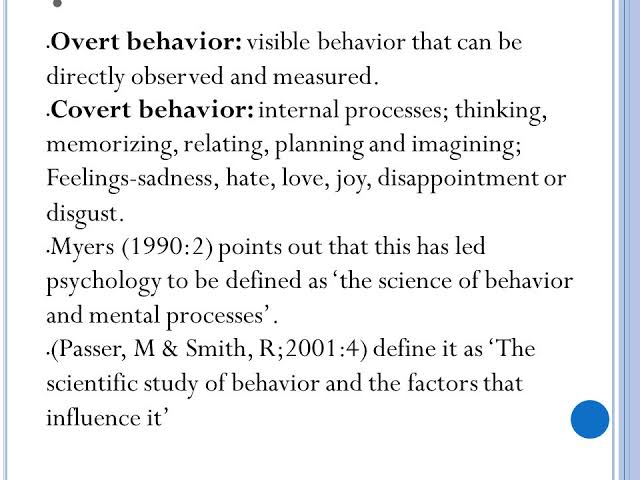
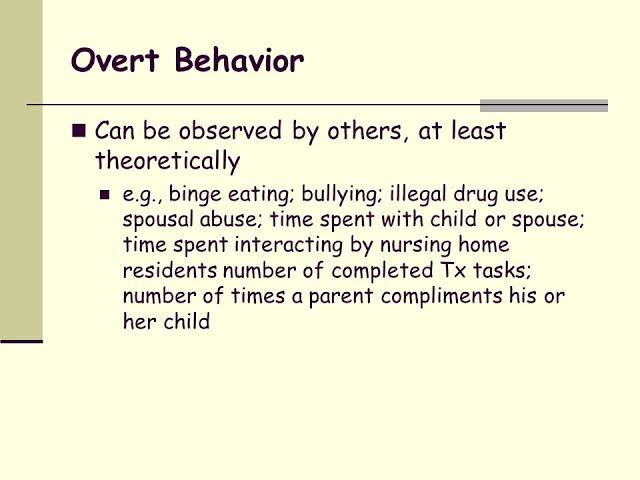
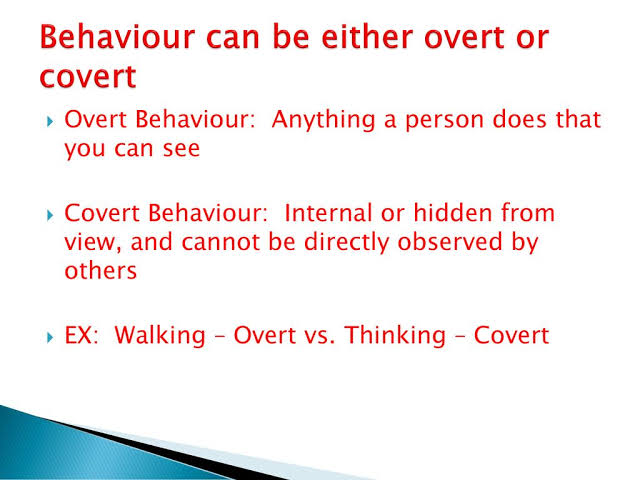
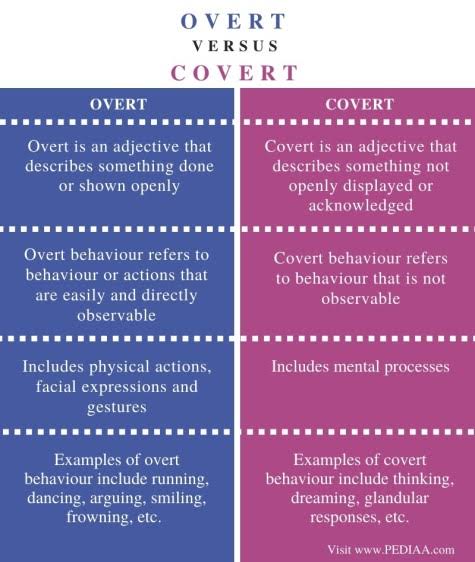
Overt actions refer to activities that are conducted openly and are easily observable by the public. These actions are typically associated with clear intentions and are devoid of secrecy or concealment. Here are a few examples:
a. Public Demonstrations: Protests, marches, and rallies are overt actions taken by individuals or groups to voice their opinions, raise awareness, or advocate for a cause. The participants openly express their views without any hidden agenda.
b. Official Statements: When politicians, leaders, or public figures make statements or declarations in press conferences, interviews, or public addresses, their words are considered overt actions. These statements shape public opinion and convey specific messages.
c. Open Source Intelligence: Gathering information from publicly available sources, such as news articles, government reports, and public records, falls under overt intelligence collection. Analysts extract and analyze data without resorting to covert methods.
2. Covert Operations: Unseen Influence in the Shadows
Covert operations involve activities that are intentionally concealed or disguised to achieve specific objectives. They operate in secrecy and often involve intelligence agencies, military organizations, or clandestine groups. Here are a few examples:
a. Espionage: Spying and intelligence gathering activities conducted by agents or undercover operatives fall into the realm of covert operations. These individuals operate in the shadows, collecting sensitive information or engaging in sabotage without attracting attention.
b. Cyber Attacks: Covert actions in the digital realm involve sophisticated hacking techniques, malware deployment, or online manipulation. The perpetrators seek to infiltrate networks, steal information, disrupt services, or spread disinformation while maintaining anonymity.
c. Undercover Investigations: Law enforcement agencies often employ covert operations to uncover criminal activities. Undercover agents assume false identities and immerse themselves in criminal networks to gather evidence and dismantle illicit operations.
Conclusion:
Understanding the distinction between overt and covert actions is crucial for comprehending the complexities of various domains, ranging from politics and military operations to activism and intelligence work. While overt actions thrive on transparency and visibility, covert operations rely on secrecy and discretion. Both play significant roles in shaping events and influencing outcomes. By recognizing these nuances, we gain a deeper insight into the intricate workings of our world.

 NTA NET EXAMINATION PAPER I