Title: Empowering Sustainable Development: A Journey with the SDGs
Introduction:
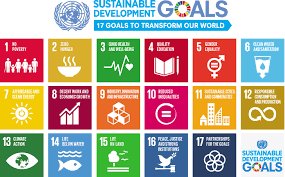
In today’s world, global challenges require collective action. The Sustainable Development Goals (SDGs), adopted by the United Nations in 2015, provide a comprehensive framework to address the pressing economic, social, and environmental issues facing humanity. With 17 interconnected goals, the SDGs offer a roadmap towards a more equitable, prosperous, and sustainable future for all. In this blog post, we delve into the significance of the SDGs, explore their key themes, and highlight the importance of individual and collective efforts in achieving these ambitious goals.
1. Understanding the SDGs:
The SDGs encompass a wide range of objectives, including eradicating poverty, ensuring quality education, promoting gender equality, combating climate change, and fostering sustainable cities and communities, among others. Each goal addresses a specific aspect of sustainable development, and together they provide a holistic approach to addressing global challenges. We explore the background and context of the SDGs, emphasizing their universality and the need for collaborative action.
2. Key Themes and Interlinkages:
The 17 SDGs are not isolated targets but interconnected and interdependent. We delve into the key themes that cut across the goals, such as poverty alleviation, environmental conservation, social inclusion, and economic growth. By understanding the interlinkages between the goals, we can identify synergies and adopt integrated approaches to drive progress across multiple fronts simultaneously.
3. Localizing the SDGs:
While the SDGs are global in nature, their implementation is primarily carried out at the local level. We discuss the significance of localizing the goals, empowering communities, and engaging stakeholders from various sectors, including governments, businesses, civil society, and academia. Highlighting successful examples of SDG localization efforts, we showcase how cities, regions, and organizations are customizing strategies to address specific challenges while aligning with the broader SDG framework.
4. Individual Actions Matter:
Achieving the SDGs requires collective action, but individual contributions play a crucial role. We emphasize the importance of personal choices and behaviors in promoting sustainable development. From adopting eco-friendly practices in daily life to supporting ethical businesses and advocating for social justice, we explore how individuals can contribute to the SDGs in meaningful ways.
5. Partnerships for Impact:
No single entity can accomplish the SDGs alone. Collaboration and partnerships are fundamental to accelerate progress. We discuss the role of multi-stakeholder partnerships, including public-private partnerships, civil society collaborations, and knowledge-sharing networks. By leveraging collective expertise, resources, and innovative solutions, these partnerships can amplify the impact of SDG initiatives and drive transformative change.
Conclusion:
The Sustainable Development Goals provide a shared vision and a framework for building a better world for present and future generations. By embracing the principles of sustainability, equity, and inclusivity, we can work towards achieving the SDGs and creating a more prosperous and resilient planet. Let us embark on this journey together, making conscious choices, forging partnerships, and inspiring others to join us in creating a sustainable future we all deserve.
Remember, each action, no matter how small, contributes to the collective impact. Let us empower sustainable development through our individual and collective efforts, as we work towards a world where no one is left behind.

 NTA NET EXAMINATION PAPER I