A good classroom talk can indeed help students improve their summarizing skills. Summarizing involves condensing information from a longer passage or set of sentences into a concise and coherent statement that captures the main ideas. By engaging students in classroom discussions, teachers can provide guidance and examples to help them develop this important skill. Here’s an example of how a classroom talk can assist in summarizing sentences:
Teacher: “Let’s practice summarizing. Read the following passage and try to summarize it in one or two sentences.”
Passage: “The Industrial Revolution, which began in the late 18th century, was a period of significant technological advancements and socio-economic changes. It brought about the mechanization of various industries, such as textile production and mining, leading to increased efficiency and productivity. Additionally, it resulted in the growth of urban areas as people migrated from rural regions in search of employment opportunities.”
Student 1: “The Industrial Revolution was a time of technological advancements and urbanization.”
Teacher: “That’s a good summary! It captures the main ideas of the passage in a concise manner. Can anyone else provide a different summary?”
Student 2: “During the Industrial Revolution, industries became mechanized, leading to urbanization as people moved to cities for work.”
Teacher: “Excellent! Another well-summarized sentence that focuses on the mechanization of industries and urban migration. Summarizing allows us to extract the most important information from a passage without losing its essence. Keep practicing, and you’ll become even better at summarizing!”
By engaging in such classroom talks, students can gain a better understanding of the summarization process and improve their ability to condense information effectively.
Face validity is a type of validity that refers to the extent to which a measurement or research method appears to measure what it is intended to measure on the surface or at face value. It is a subjective assessment based on the perception and judgment of individuals.
To provide you with a real-world example of face validity, let’s consider a scenario involving a job interview. Imagine a company is hiring for a position that requires excellent communication skills. As part of the interview process, they decide to include a brief writing task to assess candidates’ writing abilities.
In this case, the face validity of the writing task would be the extent to which it appears to be relevant and appropriate for assessing communication skills. The hiring managers and interviewers would consider whether the task seems to align with the job requirements and whether it intuitively captures the desired skills.
If the interviewers believe that the writing task is a reasonable indicator of communication skills based on their subjective judgment, they would consider the task to have face validity. However, it’s important to note that face validity alone is not sufficient to establish the actual validity of a measure. It is a preliminary assessment that can guide further evaluation and examination of the measurement’s validity.
In summary, face validity is a subjective assessment of how well a measurement or research method appears to measure what it intends to measure. It is often used as an initial indicator of validity but should be accompanied by additional validity testing to ensure the accuracy and reliability of the measurement.
Ex post facto research, also known as retrospective research, is a type of research design that examines the relationship between variables after events have occurred or conditions have been established. It involves analyzing data that has already been collected or examining existing records to draw conclusions and make inferences.
While I don’t have access to specific real-life stories or case studies beyond my September 2021 knowledge cutoff, I can provide you with a hypothetical example to illustrate ex post facto research.
Let’s consider a study on the effects of smoking during pregnancy on the development of respiratory problems in children. Researchers could collect medical records of children who have been diagnosed with respiratory conditions and gather information about their mothers’ smoking habits during pregnancy.
By comparing the respiratory health outcomes of children whose mothers smoked during pregnancy to those whose mothers did not smoke, researchers can draw conclusions about the potential relationship between maternal smoking and respiratory problems in children.
In this ex post facto study, the researchers are not actively manipulating or controlling variables but are instead examining existing data to determine associations. However, it’s important to note that ex post facto research cannot establish causation, as it relies on analyzing data retrospectively and does not involve direct experimental control.
Real-life examples of ex post facto research could involve investigating the impact of environmental factors on health outcomes, analyzing the relationship between educational background and career success, or examining the influence of socioeconomic status on criminal behavior. These studies typically rely on existing data sources such as medical records, surveys, or official records to analyze and draw conclusions.
Secondary research is a research method that uses data that was collected by someone else. In other words, whenever you conduct research using data that already exists, you are conducting secondary research.
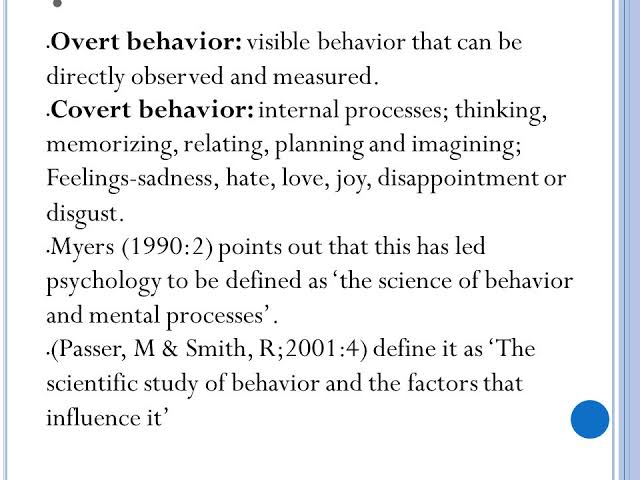
Title: “Unveiling the World of Overt and Covert: Understanding the Nuances”
Introduction: Welcome to our blog, where we delve into the intriguing realm of overt and covert actions. In this post, we’ll explore the differences between these two terms and provide examples that illustrate their significance in various contexts. Whether you’re interested in espionage, communication strategies, or psychological warfare, join us as we shed light on the hidden dimensions of overt and covert operations.
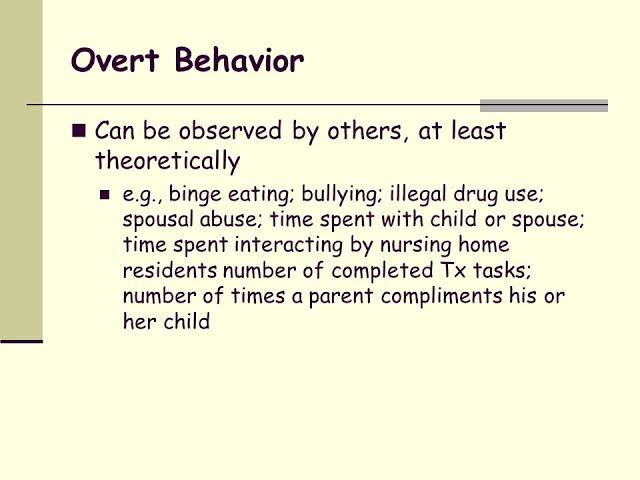
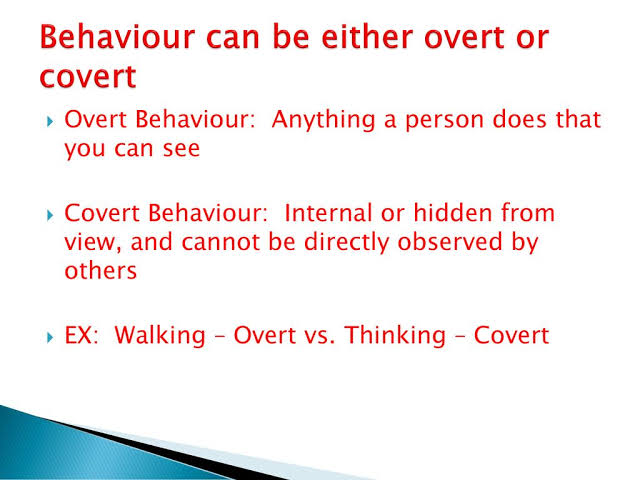
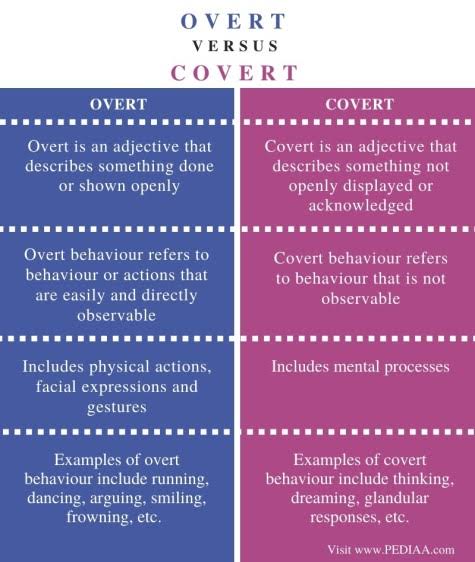
1. Overt Actions: Transparent Yet Powerful Overt actions refer to activities that are conducted openly and are easily observable by the public. These actions are typically associated with clear intentions and are devoid of secrecy or concealment. Here are a few examples:
a. Public Demonstrations: Protests, marches, and rallies are overt actions taken by individuals or groups to voice their opinions, raise awareness, or advocate for a cause. The participants openly express their views without any hidden agenda.
b. Official Statements: When politicians, leaders, or public figures make statements or declarations in press conferences, interviews, or public addresses, their words are considered overt actions. These statements shape public opinion and convey specific messages.
c. Open Source Intelligence: Gathering information from publicly available sources, such as news articles, government reports, and public records, falls under overt intelligence collection. Analysts extract and analyze data without resorting to covert methods.
2. Covert Operations: Unseen Influence in the Shadows Covert operations involve activities that are intentionally concealed or disguised to achieve specific objectives. They operate in secrecy and often involve intelligence agencies, military organizations, or clandestine groups. Here are a few examples:
a. Espionage: Spying and intelligence gathering activities conducted by agents or undercover operatives fall into the realm of covert operations. These individuals operate in the shadows, collecting sensitive information or engaging in sabotage without attracting attention.
b. Cyber Attacks: Covert actions in the digital realm involve sophisticated hacking techniques, malware deployment, or online manipulation. The perpetrators seek to infiltrate networks, steal information, disrupt services, or spread disinformation while maintaining anonymity.
c. Undercover Investigations: Law enforcement agencies often employ covert operations to uncover criminal activities. Undercover agents assume false identities and immerse themselves in criminal networks to gather evidence and dismantle illicit operations.
Conclusion: Understanding the distinction between overt and covert actions is crucial for comprehending the complexities of various domains, ranging from politics and military operations to activism and intelligence work. While overt actions thrive on transparency and visibility, covert operations rely on secrecy and discretion. Both play significant roles in shaping events and influencing outcomes. By recognizing these nuances, we gain a deeper insight into the intricate workings of our world.
Title: The Mosaic of Attitude: Unveiling Its Components
Introduction: Attitude is a multifaceted phenomenon that influences our thoughts, actions, and interactions with the world. Like a mosaic, it is composed of various components that shape our perceptions and behaviors. In this blog post, we will explore the intricate components of attitude, weaving them together in the tapestry of real-life stories, poems, and examples. Join us on a journey to unravel the mosaic of attitude and its impact on our lives.
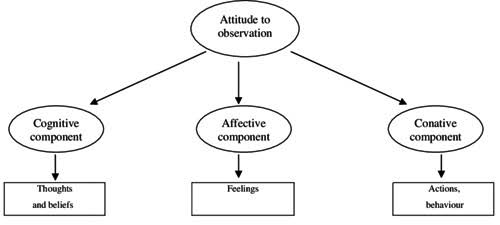
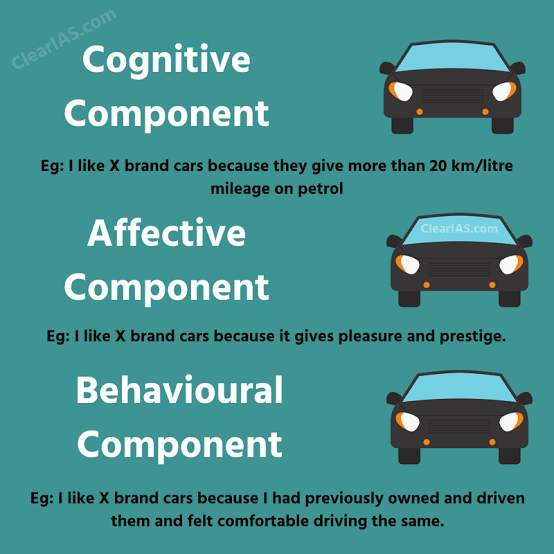
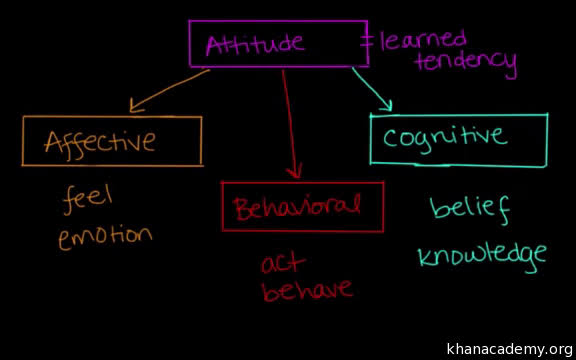
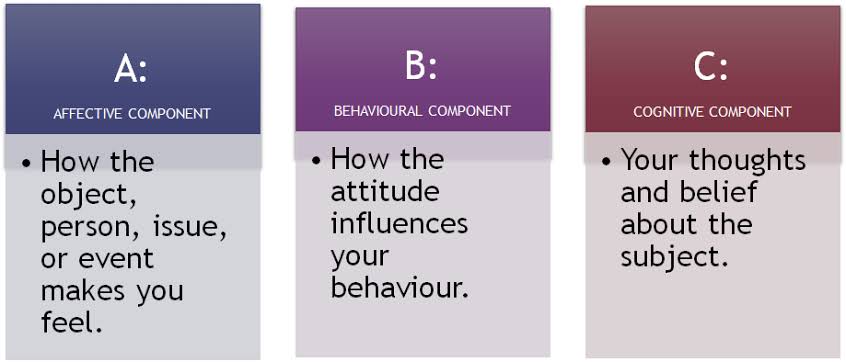
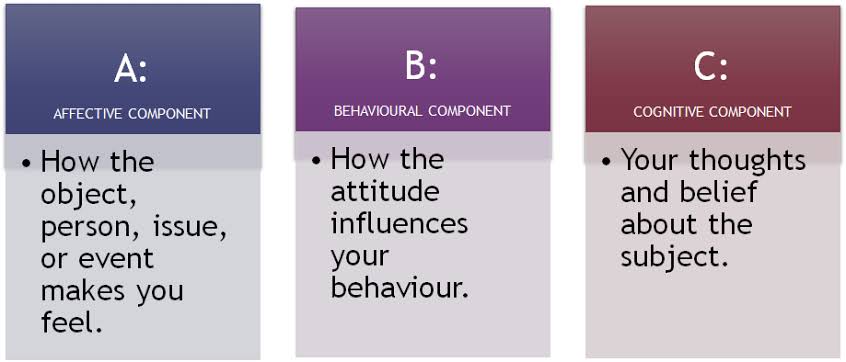
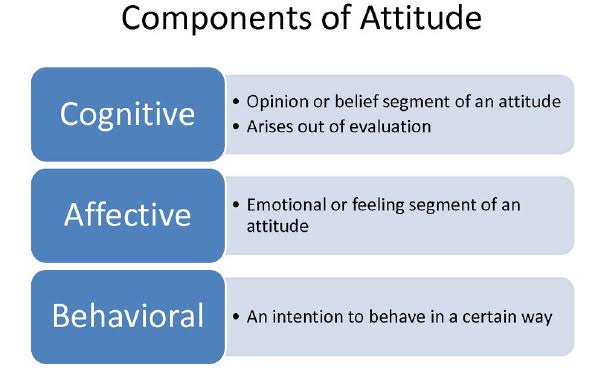
1. Cognitive Component: The Power of Thoughts The cognitive component of attitude refers to our beliefs, opinions, and knowledge about a particular subject. It encompasses our thoughts, perceptions, and interpretations of the world. Just like the protagonist in a story, our cognitive component narrates our mental processes, shaping our understanding of people, situations, and events. It influences how we form opinions, make judgments, and filter information.
Real-Life Example: Imagine a young entrepreneur who dreams of starting a business. Her cognitive component of attitude is filled with beliefs about entrepreneurship being a pathway to freedom and success. This optimistic mindset fuels her ambition, drives her to learn new skills, and propels her forward despite challenges.
2. Affective Component: The Symphony of Emotions The affective component of attitude involves our emotional responses and evaluations towards a subject. It reflects our likes, dislikes, and emotional connections. Like the verses of a heartfelt poem, our affective component paints a vibrant picture of our emotional landscape. It influences our level of attraction, preference, and emotional engagement with people, activities, and experiences.
Real-Life Example: Consider a passionate environmentalist who is deeply connected to nature. Their affective component of attitude is characterized by love, empathy, and concern for the environment. This emotional bond motivates them to take action, advocate for sustainable practices, and make choices aligned with their values.
3. Behavioral Component: Actions that Define Us The behavioral component of attitude encompasses our actions and behaviors in response to our thoughts and emotions. It is the outward manifestation of our attitude, like the actions of a protagonist in a story that reveal their true character. Our behaviors are influenced by our attitudes, and they, in turn, shape our attitudes through a feedback loop.
Real-Life Example: Think of a person who volunteers regularly at a homeless shelter. Their behavioral component of attitude is characterized by empathy, compassion, and a sense of social responsibility. Their actions align with their attitudes, creating a positive impact on the lives of others and reinforcing their commitment to making a difference.
Conclusion: Attitude is a complex amalgamation of cognitive, affective, and behavioral components. Like the threads of a tapestry, these components interweave to create the mosaic of our attitudes, influencing our thoughts, emotions, and actions. Through real-life stories, poems, and examples, we have seen how these components shape our attitudes and impact our lives. Understanding and consciously nurturing these components can empower us to cultivate positive attitudes, embrace growth, and lead fulfilling lives. So, let us be mindful of the mosaic of attitude, for it holds the power to shape our perceptions, enrich our experiences, and pave the way for a brighter and more harmonious existence.
Title: Attitude: The Driving Force Behind Personal Growth and Success
Introduction: Attitude is a powerful force that shapes our thoughts, feelings, and actions. It is the lens through which we perceive the world and the driving force behind our behaviors. In this blog post, we will delve into the concept of attitude, explore its impact on our lives, and discover how cultivating a positive attitude can lead to personal growth and success. Join us as we unravel the transformative power of attitude.
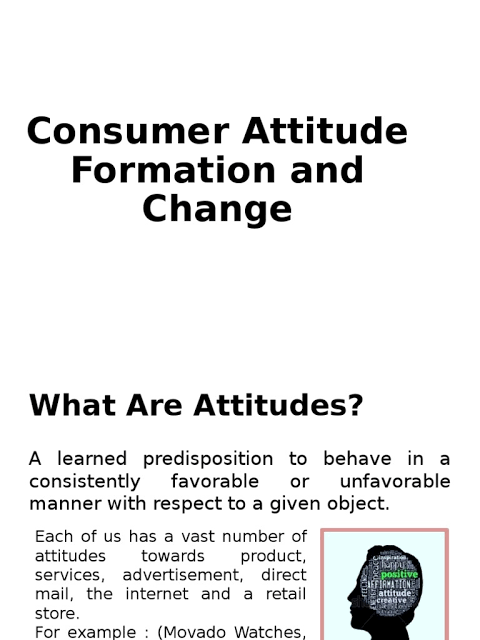
1. Understanding Attitude: The Foundation of Perception Attitude is the set of beliefs, opinions, and emotions that influence our responses to people, situations, and events. It determines how we interpret and respond to the world around us. Our attitude can be positive or negative, optimistic or pessimistic, and it shapes our mindset and overall outlook on life. Recognizing the significance of attitude is the first step towards harnessing its potential for personal growth.
2. The Power of Positivity: Shifting Perspectives A positive attitude can have a profound impact on our lives. It helps us see opportunities in challenges, maintain resilience in the face of adversity, and embrace a growth mindset. With a positive attitude, we approach situations with optimism, enthusiasm, and a belief in our abilities. This mindset opens doors to new possibilities, fuels creativity, and attracts positive experiences and relationships.
3. Attitude and Personal Growth: Embracing Continuous Learning Our attitude plays a crucial role in personal growth and development. A growth-oriented attitude fosters a thirst for knowledge, a willingness to learn from experiences, and a commitment to self-improvement. With a growth mindset, we embrace challenges as opportunities for growth, seek feedback, and actively seek new skills and knowledge. This attitude propels us towards continuous learning and personal evolution.
4. Attitude and Success: A Catalyst for Achievement Attitude is a key determinant of success in various aspects of life. Whether it’s pursuing career goals, maintaining healthy relationships, or achieving personal milestones, a positive attitude can be the driving force behind our accomplishments. With a can-do attitude, we approach challenges with determination, persist in the face of setbacks, and maintain a belief in our ability to succeed. A positive attitude fosters resilience, adaptability, and a proactive approach to achieving our aspirations.
5. Cultivating a Positive Attitude: Strategies for Transformation While attitude is deeply ingrained, it is not fixed and can be nurtured and transformed. Here are some strategies to cultivate a positive attitude: – Practice gratitude and focus on the positives in your life. – Challenge negative thoughts and reframe them with a positive perspective. – Surround yourself with positive influences and supportive relationships. – Set meaningful goals and maintain a growth mindset. – Take care of your physical and mental well-being through self-care practices.
Conclusion: Attitude is a powerful force that shapes our perceptions, behaviors, and ultimately, our lives. By cultivating a positive attitude, we unlock the potential for personal growth, resilience, and success. It empowers us to embrace challenges, seek continuous learning, and approach life with optimism and enthusiasm. So, let us harness the transformative power of attitude, and embark on a journey of personal growth and fulfillment, where a positive attitude becomes our guiding light towards a brighter and more rewarding future.
Title: The Power of Attitude: Shaping Your Life’s Journey
Introduction: Attitude is the driving force that shapes our thoughts, emotions, and actions. It is the lens through which we perceive the world and navigate our life’s journey. In this blog post, we will explore the significance of attitude and how it can profoundly impact our lives. Join us as we uncover the power of attitude and discover how it can transform our experiences and shape our destiny.
1. Attitude Determines Perception: Our attitude colors the way we perceive and interpret the world around us. It influences whether we see challenges as opportunities for growth or obstacles to overcome. A positive attitude allows us to view setbacks as valuable lessons, embrace change with optimism, and maintain a sense of hope in difficult times. By consciously shaping our attitude, we can cultivate a mindset that empowers us to approach life with resilience and positivity.
2. Attitude Shapes Relationships: Our attitude has a profound effect on our interactions and relationships with others. A positive attitude creates an atmosphere of warmth, kindness, and understanding, fostering harmonious connections. It encourages empathy, open-mindedness, and the ability to see the best in others. Conversely, a negative attitude can breed hostility, conflict, and strained relationships. By nurturing a positive attitude, we can create meaningful connections and nurture a supportive network of people who uplift and inspire us.
3. Attitude Drives Success: Attitude plays a crucial role in determining our success and achievements. A positive attitude fuels motivation, determination, and perseverance. It propels us to set ambitious goals, overcome obstacles, and strive for excellence. With a can-do attitude, we develop the confidence to pursue our dreams, take calculated risks, and embrace opportunities. Our attitude shapes our work ethic, resilience, and willingness to learn, ultimately leading us towards personal and professional success.
4. Attitude Influences Health and Well-being: The impact of attitude extends beyond our thoughts and actions; it also affects our physical and mental well-being. A positive attitude has been linked to better overall health, increased life satisfaction, and improved resilience in the face of adversity. It reduces stress, enhances emotional well-being, and promotes a balanced lifestyle. By cultivating a positive attitude, we can nurture our holistic well-being and create a foundation for a fulfilling and joyful life.
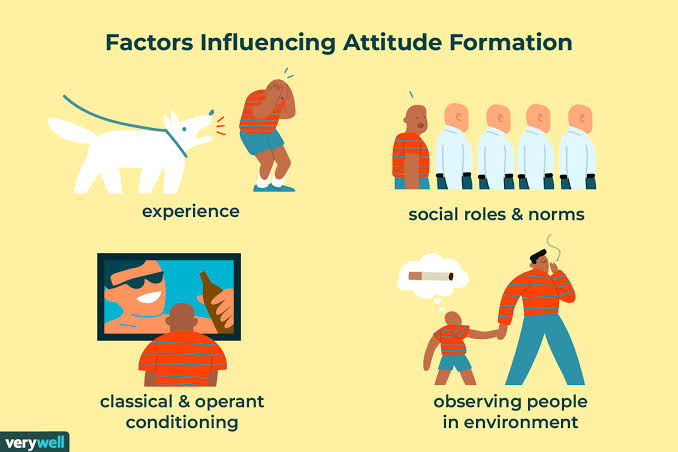
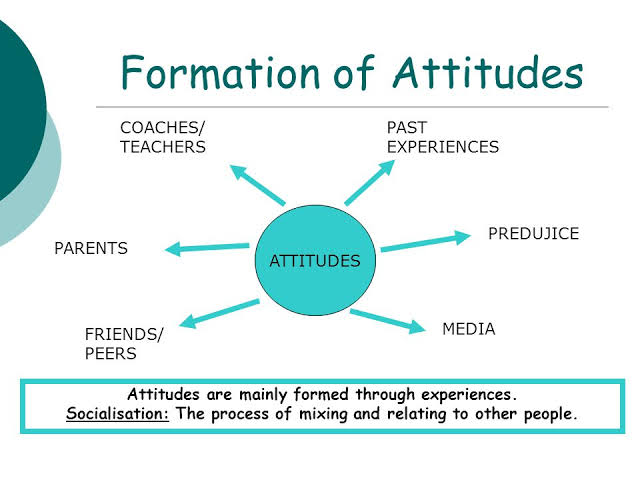
5. Cultivating a Positive Attitude: While attitudes are shaped by various factors, they can also be consciously nurtured and developed. Here are some strategies to cultivate a positive attitude: – Practice gratitude and focus on the positives in your life. – Surround yourself with positive influences and uplifting environments. – Challenge negative thoughts and replace them with positive affirmations. – Engage in activities that bring you joy and fulfillment. – Cultivate self-care practices that promote physical and mental well-being.
Conclusion: Attitude is a powerful force that shapes every aspect of our lives. It influences our perception, relationships, success, and overall well-being. By cultivating a positive attitude, we can transform our experiences, overcome challenges, and create a life filled with purpose and fulfillment. So, let us embrace the power of attitude, for it is within our control to shape our mindset, navigate life’s ups and downs, and embark on a journey of growth, resilience, and happiness.
Title: The Power of Unity: Unleashing the Potential of Groups
Introduction: Humans are social beings, and throughout history, we have come together in groups to accomplish great things. From families and communities to organizations and societies, groups play a vital role in shaping our lives and driving collective achievements. In this blog post, we will explore the dynamics of groups, the benefits they offer, and the key factors that contribute to their success. Join us on a journey to discover the power of unity and the potential that lies within groups.
1. Strength in Diversity: Harnessing Collective Knowledge and Skills One of the greatest advantages of groups is the diversity they bring. When individuals with different backgrounds, perspectives, and skills come together, a rich tapestry of knowledge and expertise emerges. This diversity allows for a broader range of ideas, innovative problem-solving, and a more comprehensive understanding of complex issues. By embracing and respecting this diversity, groups can tap into the collective intelligence and unleash their full potential.
2. Collaboration and Synergy: Achieving More Together Groups offer a platform for collaboration, where individuals work together towards a common goal. Through effective communication, cooperation, and shared responsibilities, groups can achieve outcomes that surpass what individuals could accomplish alone. The synergy that emerges from pooling resources, ideas, and efforts creates a multiplier effect, enhancing productivity and driving greater success.
3. Support and Motivation: Nurturing Growth and Resilience Being part of a group provides a support network that fosters personal and professional growth. In times of challenges or setbacks, the collective support and encouragement from group members can inspire resilience and perseverance. Moreover, groups can provide opportunities for mentorship, skill development, and feedback, helping individuals thrive and reach their full potential.
4. Shared Purpose and Accountability: Fostering Commitment and Progress Groups thrive when they have a clear shared purpose and goals. A shared vision creates a sense of identity and belonging, inspiring commitment and dedication among group members. Additionally, groups create a system of mutual accountability, where each member is responsible for their contributions and the overall success of the group. This shared accountability fosters a culture of commitment, pushing individuals to strive for excellence.
5. Effective Leadership and Communication: Guiding the Way Successful groups are often led by effective leaders who provide direction, facilitate collaboration, and create an environment conducive to growth and achievement. Leadership skills such as active listening, empathy, and clear communication are essential in fostering trust, resolving conflicts, and inspiring the best from each group member. Strong communication channels within the group ensure that ideas and information flow freely, promoting transparency and understanding.
Conclusion: Groups have an immense capacity to accomplish extraordinary feats. From fostering collaboration and synergy to providing support, accountability, and shared purpose, the power of unity within groups is undeniable. By embracing diversity, nurturing effective communication, and fostering strong leadership, groups can unlock their full potential and achieve remarkable results. So, let us recognize the strength of coming together, harness the power of groups, and embark on a journey of collective growth, progress, and fulfillment. Together, we can create a world where the power of unity paves the way for a brighter future.
Title: Unveiling the Dynamics of Group Formation: Exploring Key Theories
Introduction: Groups are an integral part of human social interactions, ranging from small teams to large organizations. The process of group formation and its underlying dynamics have fascinated researchers for decades. Understanding the theories that explain how groups come together, function, and evolve can provide valuable insights into effective teamwork, collaboration, and group dynamics. In this blog post, we will explore some prominent theories of group formation and shed light on their significance in understanding the complexities of group behavior.
1. Social Exchange Theory: The Power of Reciprocity Social Exchange Theory posits that individuals engage in group formation based on the principle of reciprocal relationships. According to this theory, people are motivated to join and participate in groups when they perceive the benefits of membership to outweigh the costs. The theory emphasizes the importance of mutual exchange, where individuals seek social support, shared resources, and a sense of belonging in exchange for their contributions to the group.
2. Social Identity Theory: Uniting through Shared Identity Social Identity Theory suggests that group formation is influenced by individuals’ need for a positive social identity. It emphasizes that people strive to achieve a positive self-concept by identifying with groups that enhance their self-esteem and social status. Shared values, beliefs, and goals create a sense of belonging and solidarity within the group, fostering cohesion and cooperation.
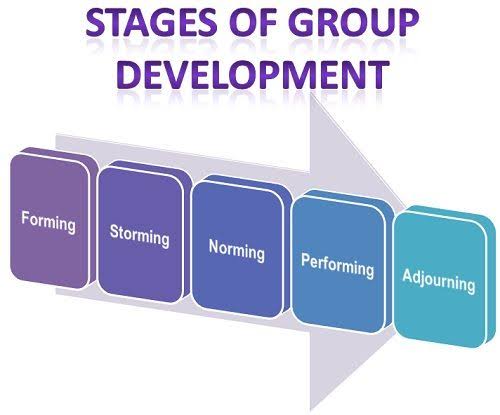
3. Tuckman’s Stages of Group Development: From Forming to Performing Tuckman’s Stages of Group Development model highlights the natural progression of groups through four stages: forming, storming, norming, and performing. Initially, group members come together and establish relationships (forming). As they begin to assert their individuality and encounter conflicts (storming), they move towards establishing norms, roles, and shared values (norming). Finally, the group reaches a stage of high performance and productivity (performing).
4. Systems Theory: The Interplay of Individual and Group Dynamics Systems Theory views groups as complex systems with interconnected components. It emphasizes that group formation and functioning are influenced by the interactions and interdependencies between individuals, group norms, communication patterns, and external factors. This theory underscores the importance of understanding the dynamic relationships within groups and the impact of the broader social context on their development and effectiveness.
Conclusion: Theories of group formation provide valuable insights into the dynamics of human interactions, teamwork, and collaboration. From the principles of reciprocity and social identity to the stages of group development and the interplay of individual and group dynamics, these theories help us understand why people form groups, how they evolve, and the factors that contribute to their success or failure. By grasping these theories, we can better navigate the complexities of group behavior, foster effective teamwork, and create environments that promote positive group dynamics and achievement. Ultimately, a deeper understanding of group formation theories empowers us to harness the collective potential of groups and unlock the benefits of collaborative efforts.
Title: Nurturing Meaningful Connections: The Art of Interpersonal Behavior
Introduction: In a world where communication plays a pivotal role in our personal and professional lives, mastering the art of interpersonal behavior is essential for fostering meaningful connections. Whether it’s in our relationships, workplaces, or social interactions, understanding and cultivating effective interpersonal skills can enhance our interactions, build trust, and contribute to overall well-being. In this blog post, we will explore the key elements of interpersonal behavior and uncover strategies for nurturing deeper connections with others.
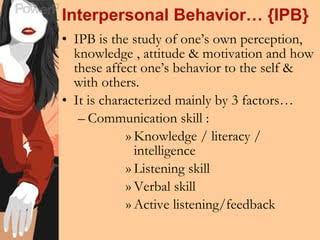
1. Communication: The Foundation of Interpersonal Behavior At the heart of interpersonal behavior lies effective communication. It involves both speaking and listening attentively. By expressing ourselves clearly, using appropriate body language and tone, we can convey our thoughts and emotions authentically. Equally important is active listening, which involves fully engaging with others, validating their perspectives, and responding with empathy. Open and honest communication forms the foundation for building trust and fostering meaningful relationships.
2. Empathy: Stepping into Someone Else’s Shoes Empathy is the ability to understand and share the feelings of another person. By cultivating empathy, we can develop a deeper understanding of others’ experiences, perspectives, and emotions. It allows us to connect on a more profound level, offering support and validation to those around us. Through active empathy, we demonstrate our genuine care and compassion, fostering a sense of belonging and trust in our interpersonal interactions.
3. Respectful Assertiveness: Balancing Our Needs and Boundaries Interpersonal behavior requires finding the delicate balance between respecting others’ boundaries and asserting our own needs. Respectful assertiveness involves expressing our thoughts, feelings, and boundaries confidently and respectfully, while also considering the perspectives and feelings of others. It allows us to communicate our needs clearly, negotiate conflicts, and maintain healthy boundaries in our relationships.
4. Conflict Resolution: Nurturing Constructive Dialogue Conflicts are inevitable in any relationship. Developing effective conflict resolution skills is crucial for maintaining harmonious interpersonal connections. It involves approaching conflicts with an open mind, actively listening to all parties involved, and seeking collaborative solutions. By focusing on finding common ground and understanding different viewpoints, we can transform conflicts into opportunities for growth, strengthening our relationships in the process.
5. Emotional Intelligence: Navigating Emotions in Interpersonal Interactions Emotional intelligence is the ability to identify, understand, and manage emotions, both in ourselves and in others. It enables us to regulate our own emotional responses and empathetically respond to the emotions of those around us. Developing emotional intelligence allows for greater self-awareness, better control over impulsive reactions, and more effective communication, leading to healthier and more fulfilling relationships.
Conclusion: Mastering the art of interpersonal behavior is an ongoing journey that requires self-reflection, practice, and a genuine desire to connect with others. By cultivating effective communication, empathy, respectful assertiveness, conflict resolution skills, and emotional intelligence, we can nurture meaningful connections and build strong, fulfilling relationships in all aspects of our lives. Embracing these principles enables us to create a positive impact on others, fostering a world where understanding, compassion, and genuine connections thrive.

















 NTA NET EXAMINATION PAPER I